From Oxford with Momentum: What the Skoll World Forum Means for BAMA’s Next Chapter
Last week, we joined global leaders, funders, and practitioners in Oxford for the Skoll World Forum — and returned with something more valuable than a stack of business cards: clarity, conviction, and momentum.
At a time when the global health and development landscape is shifting rapidly, the conversations at Skoll felt both honest and forward-looking. There was a shared recognition in the room: the old aid model is changing — and we need to build what comes next.
Partnerships are not optional. They are the strategy
One of the strongest threads throughout the week was the role of partnerships in driving real, scalable impact.
For us at BAMA, this isn’t new — our work has always been rooted in long-term collaboration with governments, communities, and partners on the ground. But at Skoll, this idea was echoed and reinforced across sectors:
No single organisation can solve complex health challenges alone
The most effective models are collaborative, complementary, and built on trust
Scaling impact requires intentional, well-designed partnerships — not forced ones
We left with a clear takeaway:
If we want to reach more mothers and newborns, we must continue to invest deeply in partnerships that are built to last.
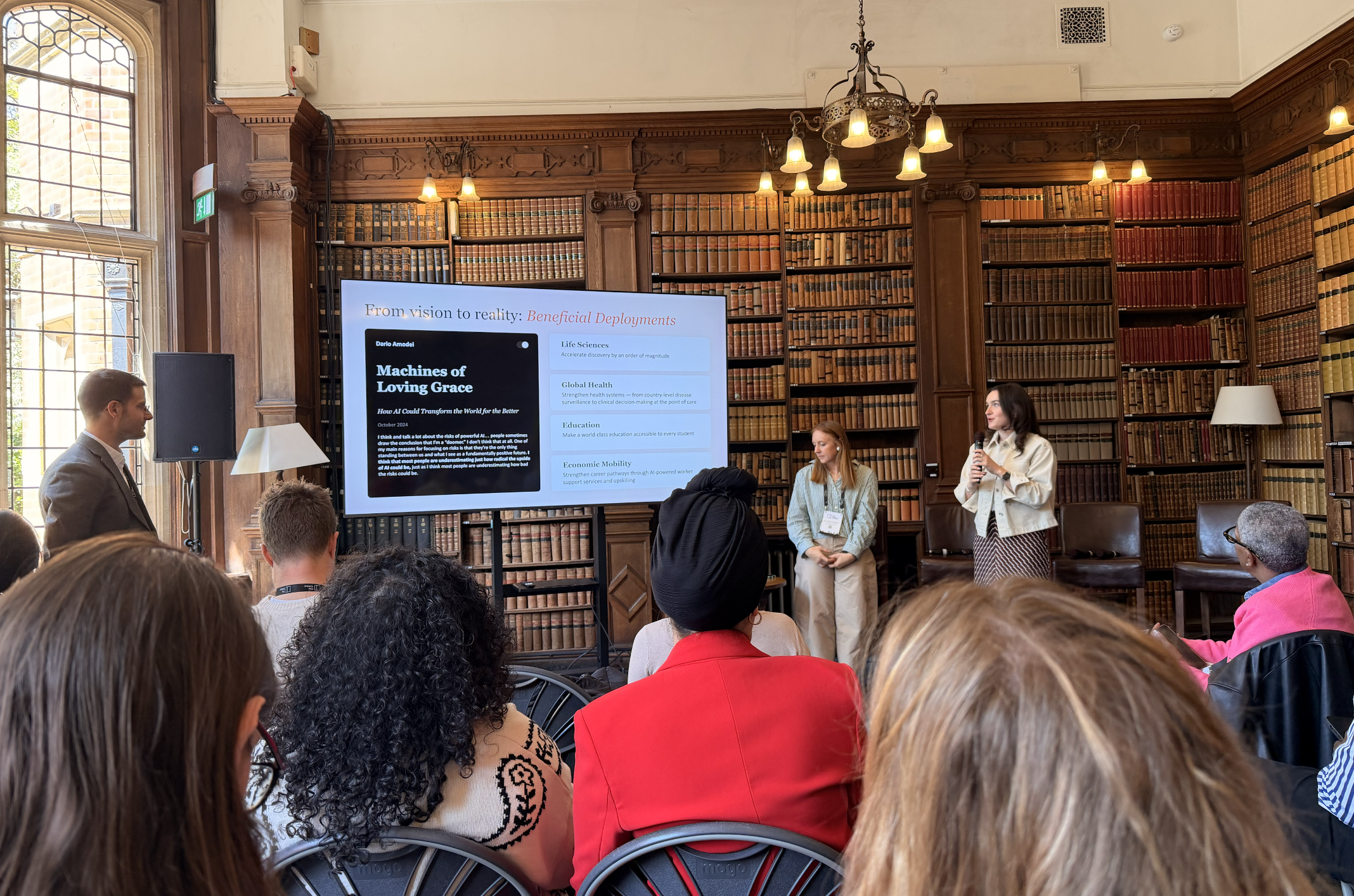
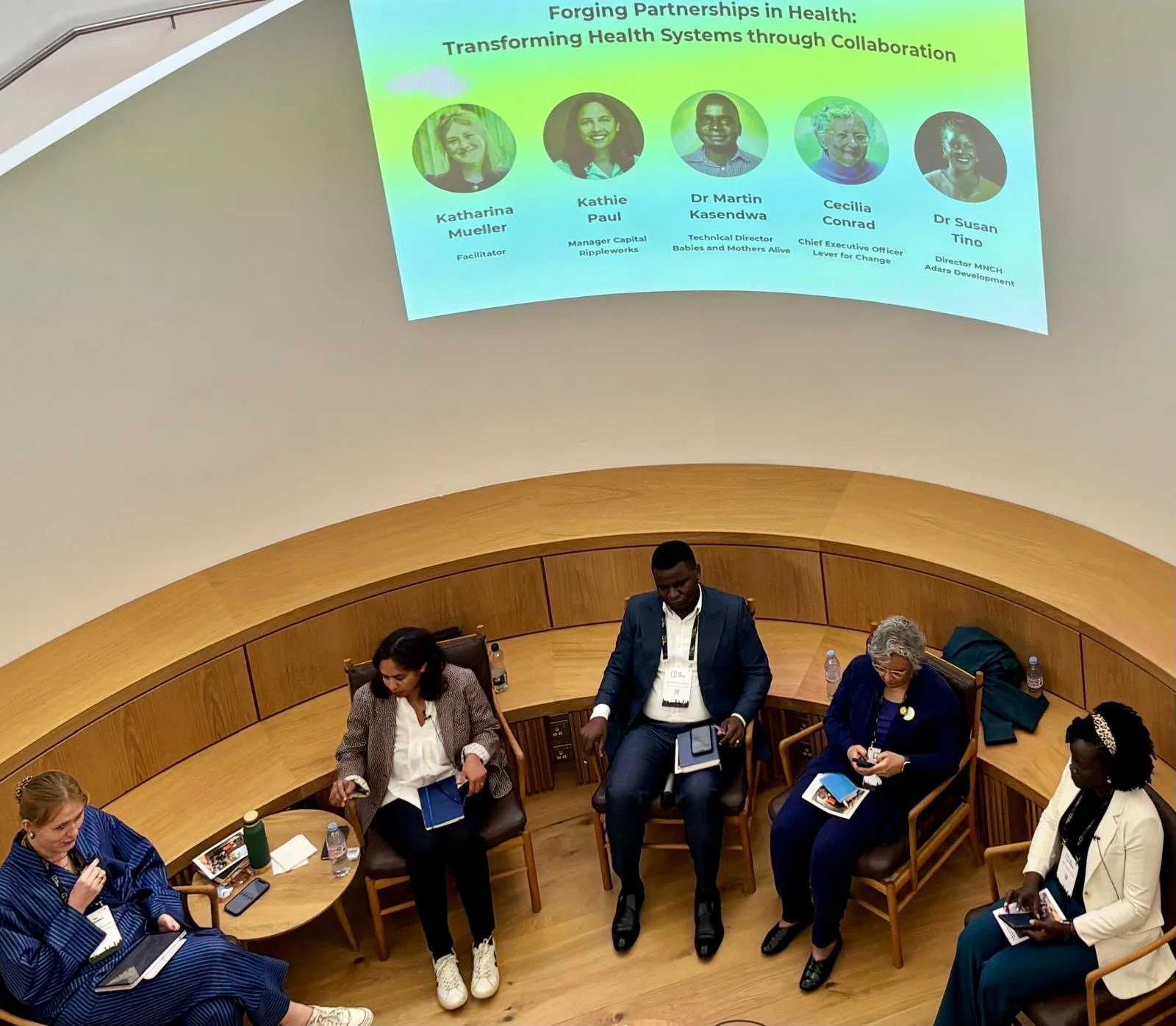
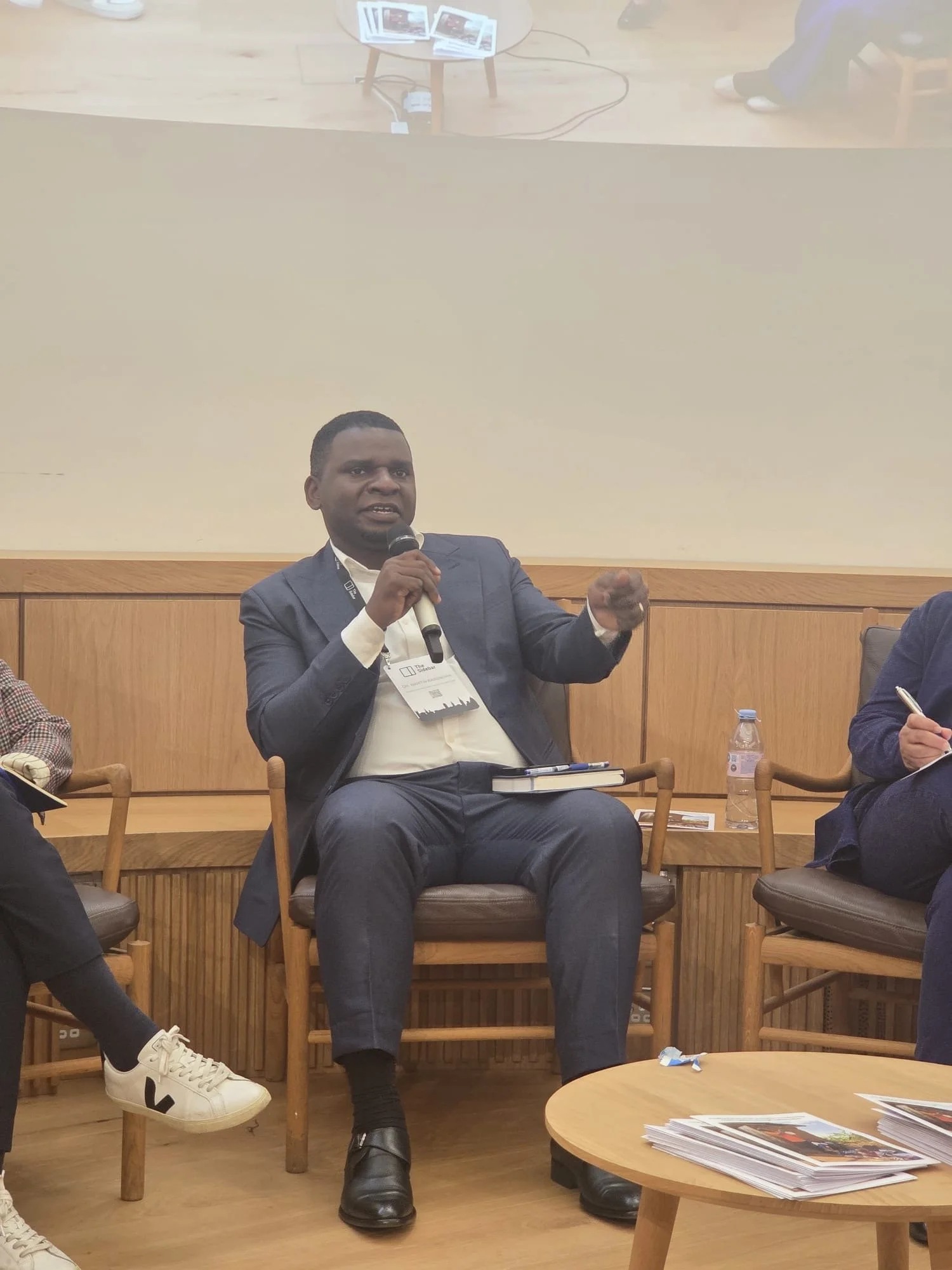
A conversation on collaboration: our panel
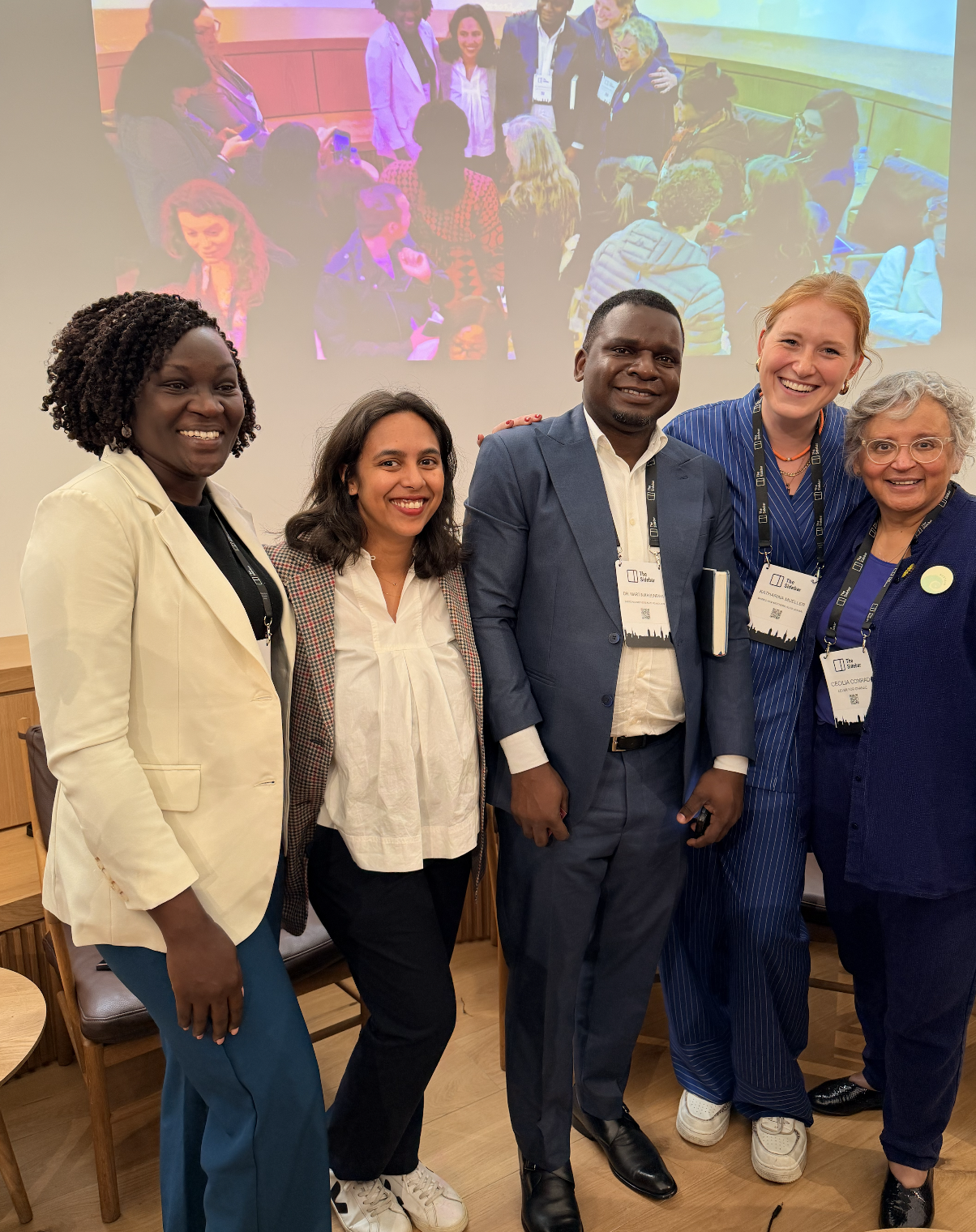
This theme came to life in a panel discussion we were proud to be part of, alongside partners and funders including Adara Development, Lever for Change, and Rippleworks.
The discussion brought together different perspectives — implementers and funders — to unpack what makes partnerships actually work in practice.
Some of the most powerful insights:
Trust takes time — and cannot be rushed
Partnerships must be chosen, not imposed (no “arranged marriages”)
Funders play a critical role by offering flexibility and unrestricted funding
The best partnerships are not identical — they are complementary
We need to talk more openly about failure and what we learn from it
Collaboration requires generosity, curiosity, and a willingness to share
Perhaps most importantly, there was a shared call to shift away from transactional relationships towards true collaboration — where all partners are co-creators of impact.
A changing funding landscape — and renewed confidence
There was no avoiding the bigger conversation: global funding structures are evolving, and many organisations are navigating uncertainty.
But rather than leaving discouraged, we left encouraged.
We saw:
Funders actively looking for ways to step up and sustain high-impact work
A growing appetite for innovative, blended, and long-term funding models
A recognition that organisations embedded in local systems — like BAMA — are essential to lasting change
For us, this reinforced that our approach — working hand-in-hand with government systems and communities — is not only relevant, but critical for the future of global health.
The role of AI — and keeping it human
Another emerging theme was the role of technology, particularly AI.
While the possibilities are vast, one message stood out clearly:
technology must remain human-centred.
We were inspired by conversations exploring how AI can:
Support frontline health workers
Improve data use and decision-making
Strengthen communication and storytelling
At BAMA, we see this as an opportunity — not to replace human connection, but to amplify the work already happening on the ground.
What this means for BAMA
We left Oxford with more than inspiration — we left with new relationships, new ideas, and a renewed sense of direction.
We are deepening partnerships that will help us scale sustainably
We are exploring new ways to strengthen our funding model
We are staying rooted in what matters most: quality care for mothers and newborns, delivered through strong systems and local leadership
If there is one thing Skoll reaffirmed for us, it is this:
The future of impact is collaborative. And we are building it together.
Some reflections from our Co-Founder and Executive Director BAMA USA
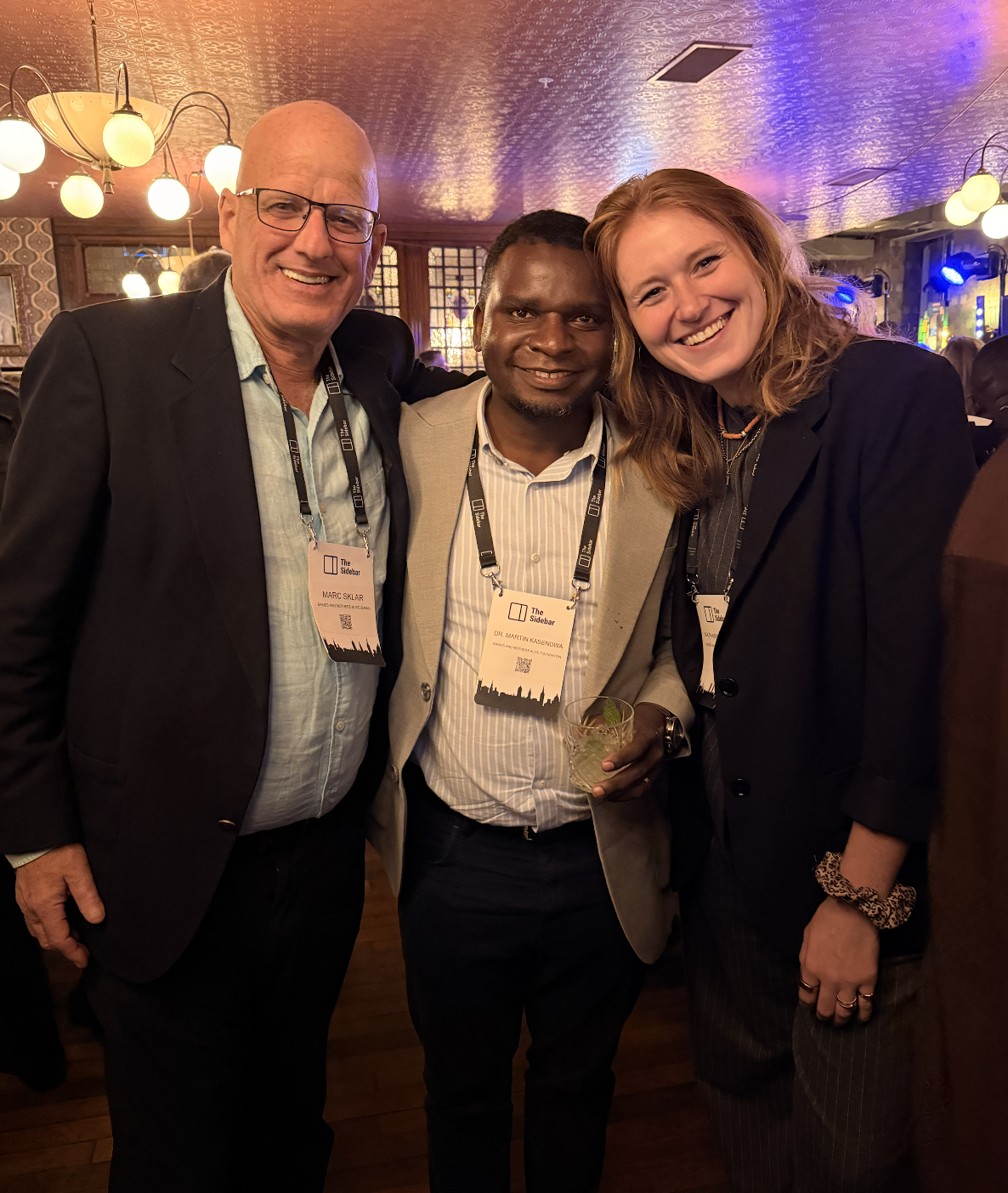
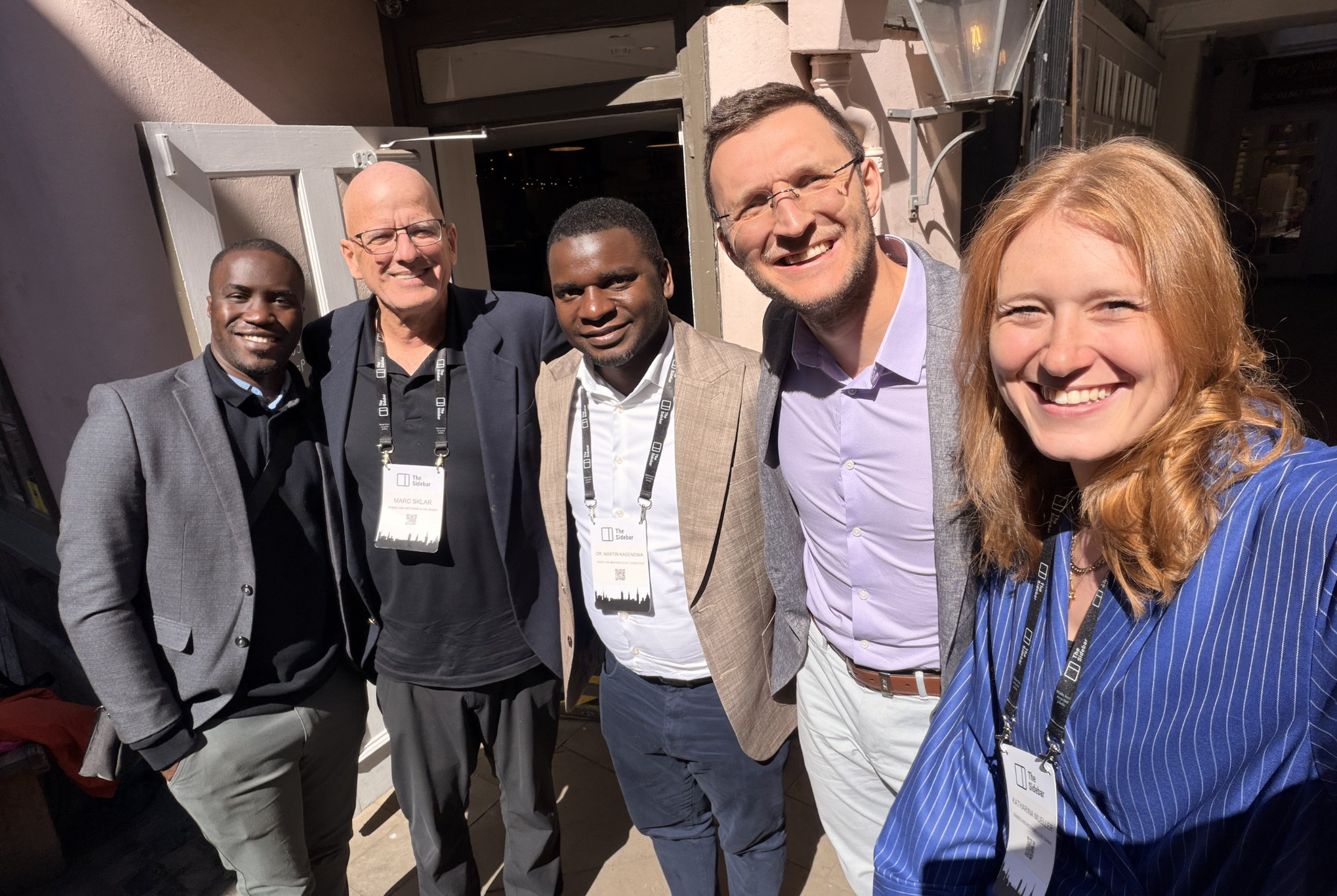
“What an extraordinary week at the Skoll World Forum. In 2024, Babies and Mothers Alive attended this major global convening for the first time. Looking back, I realize now that Katharina and I were a bit overwhelmed. Thousands of extraordinary people doing important work in hundreds of countries across the global south. We attended scores of sessions, meeting potential partners and very few if any donors.
This year, our third visit to the World Forum, was completely different. We co-led an exciting session at The Sidebar, alongside our partners, The Adara Group, Rippleworks and Lever for Change, attended by close to 100 changemakers. I helped facilitate a very engaging ‘Fishbowl Discussion’, sponsored by Enabel, on how to break the dependency on grant funding, which allowed us to challenge the uneven power relationships between government and foundation funders and implementers on the ground. We held important meetings with four international funders, with another scheduled in the week of our return.
But more than all that, complete strangers, knew about BAMA, and even more importantly actually were aware of our work on the ground.
So, what changed in just two years from our first time in Oxford to now?! Well first, our dedicated team in Uganda never stopped working to benefit the women and children served by 120 health centers and hospitals who are BAMA’s trusted partners. But we also have learned that earning the trust of partners throughout the world takes time, transforming health systems takes time. Many seeds were planted at Skoll in 2024, that have begun to take root and flower in 2026!
When I left Oxford, I traveled to visit Stonehenge. Standing beside those monoliths I had the thought that our work may be measured not just in quarterly or annual reports, but over centuries and even millennia. What a gift it is at BAMA to have the privilege to serve so many.”
(Dr. Marc Sklar, Co-Founder and Executive Director BAMA USA)
We’re grateful to everyone we connected with during the week and excited for what comes next.
